
THE PEOPLE’S ECONOMICS: WHAT IS THE KWACHA? WHY EVERY ZAMBIAN SHOULD CARE.
THE PEOPLE’S ECONOMICS: WHAT IS THE KWACHA? WHY EVERY ZAMBIAN SHOULD CARE.
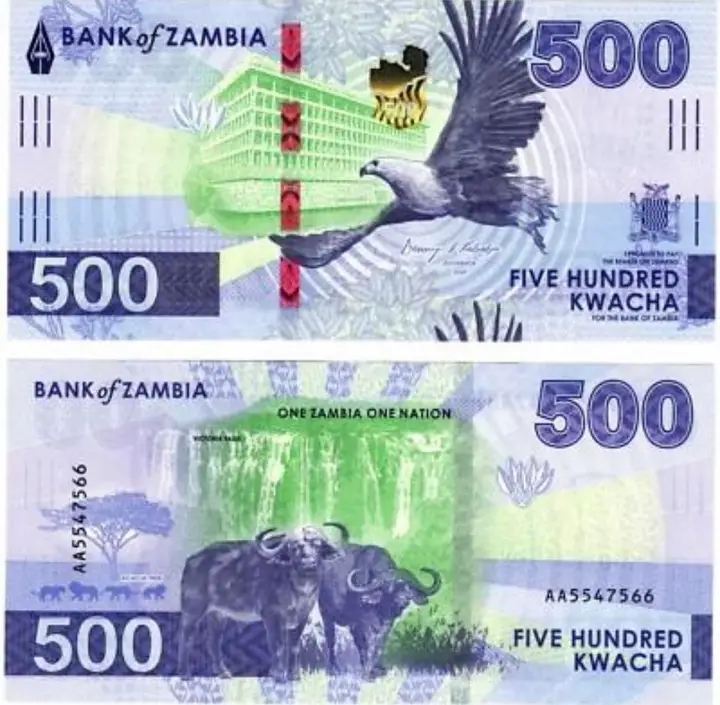
Many people think the kwacha is simply the money in their pocket. It is much more than that. The kwacha is the measure of the value of our work, our businesses, our farms, our savings and our economy. Every time you receive a salary, sell tomatoes at the market, receive mobile money, pay tuition fees or buy mealie meal, you are using the kwacha. It is the lifeblood of Zambia’s economy.
Let me explain this using a simple family example. Imagine a father earns K10,000 every month. If prices remain stable, that K10,000 pays rent, buys food, pays school fees, covers transport and even leaves something to save.
Now imagine prices begin rising rapidly because the kwacha loses value. The father is still earning K10,000, but suddenly the family can no longer buy everything it could before. Has the father become poorer? Not necessarily. His salary has remained the same. The problem is that the purchasing power of the kwacha has fallen.
That is why economists say: “What matters is not only how much money you earn, but what your money can actually buy.” Now multiply that family by millions of households across Zambia. That is the national economy.
A strong kwacha helps to: keep prices more stable, reduce the cost of imported fuel, lower the cost of medicines, make farming inputs and machinery more affordable, protect people’s savings, give businesses the confidence to invest and create jobs.
A weak kwacha usually means: higher prices, more expensive transport, higher production costs, reduced purchasing power, and greater hardship for ordinary families. This is why the exchange rate matters.
Zambia imports fuel, medicines, machinery and many other essential goods. Every time the kwacha weakens against the US dollar, importing those goods becomes more expensive. Eventually, those higher costs are passed on to ordinary Zambians.
Now consider our recent history. Around 2011, one US dollar exchanged for about K4.80 (rebased currency). By 2021, one US dollar was exchanging for approximately K22–23. By 2026, the kwacha has strengthened considerably and has recently traded around K18 to the US dollar.
When economists talk about protecting the kwacha, they are not talking about protecting politicians. They are talking about protecting: the grandmother’s pension, the worker’s salary, the farmer’s income, the student’s allowance, the entrepreneur’s savings, and the purchasing power of every Zambian family.
A country’s currency is one of its greatest national assets. Protect the kwacha, and you help protect the standard of living of the people.
Next in The People’s Economics: Why does the kwacha rise and fall? I will explain, in the simplest language possible, the forces that determine the value of Zambia’s currency and why every citizen should understand them. Knowledge is power. An economically informed nation makes better decisions.
Zambia Forward, TOGETHER in UNITY. 🇿🇲
Saviour Chishimba
President
United Progressive People (UPP)
UPND Alliance Partner