
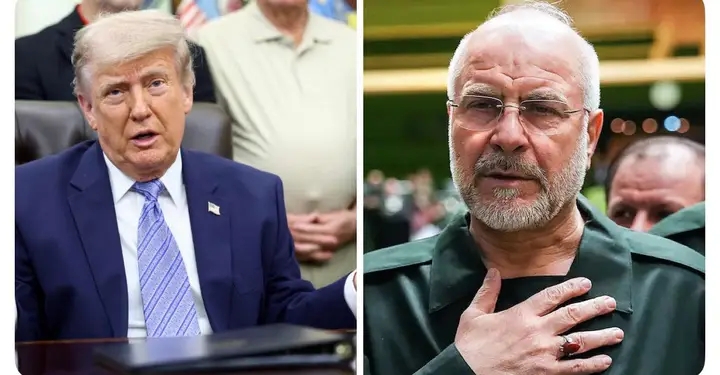
TRUMP FORCES IRAN TO BACK DOWN: MAJOR DEAL REOPENS STRAIT OF HORMUZ AND ENDS FIGHTING
TRUMP FORCES IRAN TO BACK DOWN: MAJOR DEAL REOPENS STRAIT OF HORMUZ AND ENDS FIGHTING
In a significant victory for President Trump and American leverage in the Middle East, Iran has reportedly signed a memorandum agreeing to end hostilities, reopen the critical Strait of Hormuz to toll-free commercial traffic, and accept the lifting of the US naval blockade.
According to the New York Times, citing three senior Iranian officials, the agreement also includes the release of 25 billion dollars in frozen Iranian assets. Nuclear negotiations are being delayed for 30 to 60 days, with Pakistan and Qatar serving as key brokers in the talks.
This development comes after weeks of heightened tensions in 2026, where Iran’s threats to disrupt global oil flows through the strategic waterway pushed energy prices higher and threatened the world economy. Trump repeatedly signaled that a major breakthrough was imminent, applying maximum pressure on the regime through military posture and economic sanctions. It appears his strategy is delivering results where previous administrations failed.
For too long, Iran has played games with the international community, funding terrorism, pursuing nuclear weapons, and holding global energy supplies hostage. Reopening the Strait without tolls is a direct blow to their extortion tactics and a win for American strength and free navigation. Global markets are already reacting positively, with oil traders closely watching for confirmation.
Critics on the right are right to remain skeptical. Releasing billions in assets echoes the flawed Obama-era approach that funneled money to Iranian proxies and terror groups. Delaying nuclear talks risks giving the mullahs more time to advance their weapons program in secret. True victory demands full dismantlement of Iran’s nuclear capabilities, not another temporary pause.
Still, this framework shows Trump’s deal-making at work: using American power to force concessions, stabilize energy markets, and put America First without endless wars. If fully implemented, it could lower gas prices for American families and send a clear message to adversaries that challenging US interests carries real costs.