
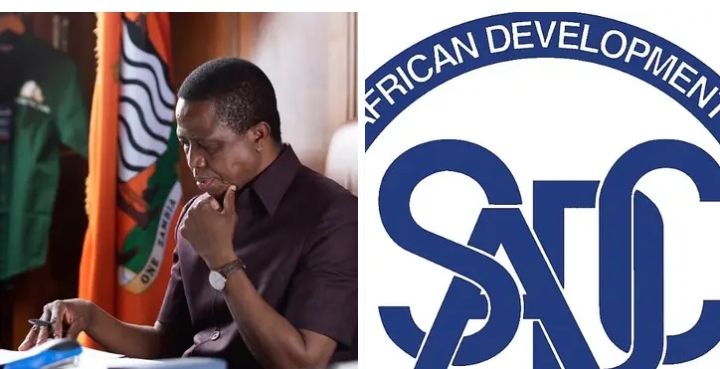
SADC’S SILENCE DURING THE ECL BURIAL IMPASSE WAS A BETRAYAL TO ZAMBIA
SADC’S SILENCE DURING THE ECL BURIAL IMPASSE WAS A BETRAYAL TO ZAMBIA
By Chilufya Kasonde
The prolonged burial impasse surrounding Zambia’s Sixth Republican President, Edgar Chagwa Lungu, has not only exposed deep divisions within the nation but has also revealed a disappointing silence from countries within the Southern African Development Community (SADC), especially nations that once depended on Zambia’s sacrifice and solidarity during their liberation struggles.
For decades, Zambia stood as a beacon of hope, courage, and African unity. Under the leadership of founding President Dr. Kenneth Kaunda, Zambia opened its doors to liberation movements from across Southern Africa. The country sheltered freedom fighters, hosted liberation movements, provided logistical support, and suffered economic and military consequences for standing on the side of justice and African freedom.
South Africa’s African National Congress (ANC), Zimbabwe’s liberation fighters under ZANU and ZAPU, Namibia’s SWAPO, and many others found refuge, support, and solidarity in Zambia during some of the darkest years of colonial oppression and apartheid. Zambia paid a heavy price for that support. The nation endured economic sabotage, military threats, bombings, and regional isolation because it chose principle over comfort.
Today, many Zambians are therefore, asking a painful but legitimate question: where were these same countries when Zambia needed regional solidarity during the ECL burial impasse?
The silence from influential leaders within the region, particularly the President of South Africa Mr. Cyril Ramaphosa and the President of Zimbabwe, Mr. Emmerson Mnangagwa was deafening. At a time when emotions were high and tensions threatened to deepen divisions within Zambia, many expected elder statesmanship, mediation efforts, or at the very least public appeals for unity, respect, and closure. Instead, there was near-total silence, as though nothing significant was unfolding in a country that once sacrificed so much for the freedom of the region.
This silence disappointed many citizens who believe that SADC should not only exist for economic cooperation and ceremonial summits, but also for solidarity during moments of national difficulty among member states. The burial of a former Head of State is not a small matter. It carries national, political, historical, and emotional significance. The failure by regional leaders to proactively engage gave the impression that Zambia was left to navigate a painful and sensitive matter alone.
What makes the disappointment even more profound is the historical relationship Zambia shares with countries such as South Africa and Zimbabwe. Zambia never remained silent when the people of those countries were fighting for freedom and dignity. Zambians sacrificed resources, security, and lives to ensure that liberation movements succeeded. The expectation from many citizens was therefore, not interference, but brotherly concern and diplomatic engagement aimed at preserving unity and national dignity.
African solidarity must never become selective. Regional cooperation should not only appear during elections, trade negotiations, or international conferences. True solidarity is tested during difficult and uncomfortable moments. If SADC is to remain meaningful to ordinary citizens, member states must demonstrate that they stand with one another not only in celebration, but also in times of grief, tension, and uncertainty.
The ECL burial impasse should serve as a lesson to the region. Zambia deserves respect, recognition, and genuine solidarity from its neighbours, especially from countries whose freedom journeys are deeply connected to Zambia’s sacrifices. History cannot be erased, and neither should gratitude be forgotten.
As the nation seeks healing and closure, many Zambians will continue to remember not only those who spoke during this difficult period, but also those who chose silence.