
There’s growing pattern of repression in Zambia ahead of today’s election — Amnesty International
AMNESTY International has warned of what it describes as a growing pattern of repression of dissent and independent media in Zambia ahead of today’s general elections.
In its latest briefing on the human rights situation in Zambia, the organisation acknowledges reforms undertaken by the government, including the repeal of the offence of criminal defamation of the President, abolition of the death penalty and enactment of the Access to Information Act.
However, Amnesty International says these reforms have been overshadowed by what it describes as the increasing misuse of laws and the criminal justice system to suppress peaceful dissent and entrench political power.
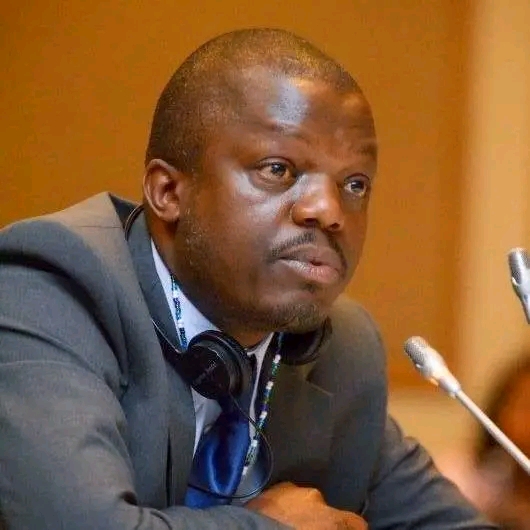
“These laws have not only been used as the key tools for restricting dissent but also unleashing the punitive power of the state. The result is weaker accountability for human rights violations, erosion of the rule of law, and increasing barriers to access information,” said Amnesty International Regional Director for East and Southern Africa, Tigere Chagutah.
The organisation says the alleged use of laws as instruments of repression has contributed to what it considers a shrinking civic space in Zambia.
In May 2026, Amnesty International says it interviewed 14 human rights defenders and representatives of civil society organisations, including faith-based organisations, seven journalists, four student leaders and two opposition politicians.
According to Amnesty, the individuals interviewed described a pattern of intimidation, harassment and other human rights violations allegedly linked to their legitimate work.
The briefing also raises concerns over the manner in which laws affecting civic space are introduced and passed.
Amnesty says Zambia has a history of introducing legislation through fast-tracked processes, with lawmakers at times debating, amending and voting on large numbers of bills within days.
The organisation argues that such processes significantly limit public participation in law-making.
Amnesty International is consequently calling on the Zambian authorities to end what it describes as a growing pattern of repression against dissent and independent media.
It is also demanding that laws affecting civic space be developed through “transparent, inclusive and meaningful public consultations.”
A pattern of regression to authoritarian practices
Amnesty International says its briefing documents what it describes as “an alarming escalation in human rights violations” and concludes that authorities have created an environment conducive to abuses ahead of the general elections.
The organisation has singled out the proposed Non-Governmental Organisations (NGO) Bill currently before Parliament, warning that the legislation could negatively affect freedom of association in Zambia.
According to Amnesty, the proposed Bill would give government extensive powers over the registration, regulation, suspension and dissolution of civil society organisations.
The organisation argues that these powers could seriously undermine the independence of civil society.
Amnesty International is therefore calling for greater protection of civic space, independent media and freedom of association, particularly during the electoral period.
The findings come as Zambians go to the polls today, with Amnesty warning that restrictions on civic space and dissent could have wider implications for democratic participation and the protection of human rights.
-TV Yatu | Noel Iyombwa | August 13, 2026.