
By Given Mutinta
THE PARADOX OF PRESIDENT HICHILEMA’S POLITICAL POSTURING
President Hakainde Hichilema’s statement at the rally in Chilanga has ignited bewilderment across the political spectrum.
Addressing his supporters, he remarked, “Under the Patriotic Front (PF) regime we used to get beaten” and warned citizens against voting violent parties like the PF.
Yet, this cautionary stance strikes an almost inconceivable discord when placed against the political realities surrounding his administration.
To the casual observer, President Hichilema’s warning appears straightforward—disavow the PF for its alleged culture of violence.
But the political chessboard reveals a far more complex, even theatrical, performance.
The very PF he condemns no longer exists in its original monolithic form.
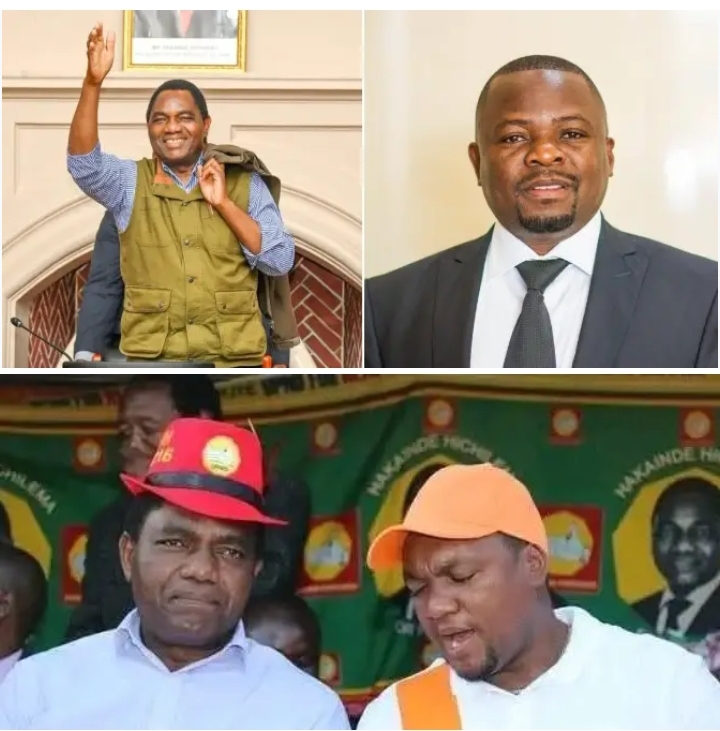
Instead, that party has fractured, leaving formal residual factions under the leadership of Robert Chabinga and Miles Sampa— who have forged alliances with President Hichilema himself.
This alliance sharply undercuts any claim of distancing from the PF’s alleged violence or misconduct. Rather, it exposes a dramatic contradiction: the President denounces the PF to galvanize voters, yet relies on its offshoots and leaders as political partners essential to his election.
Is President Hichilema repudiating the PF’s past while pragmatically embracing its remnants to maintain power? Or is he spinning a narrative thread to mask the undercurrents of collaboration beneath the veneer of opposition?
However, one thing is certain: this is political theatre in which rhetoric diverges from reality.
There is no way President Hichilema’s rhetoric is not alienating undecided voters who see the incongruity and wonder about his authenticity.
But even then, is the UPND intra-party and interparty violence causing so many deaths not violence?
The Bible says, why do you look at the speck of sawdust in your brother’s eye and pay no attention to the plank in your own eye?
It means President Hichilema should be fair and honest about his own party violence before judging other parties.