
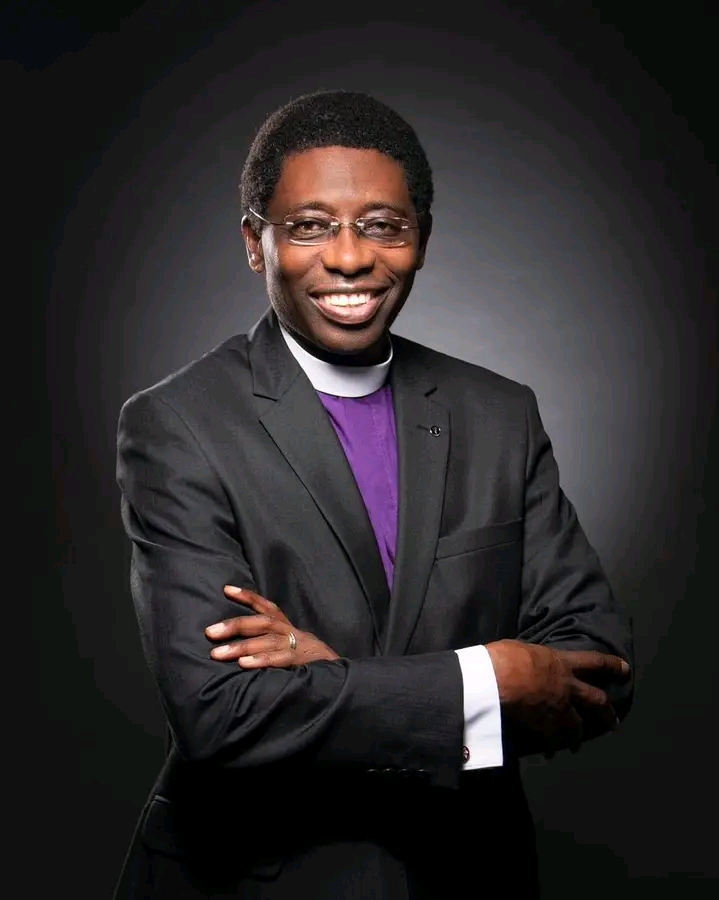
RESPONSE TO MR. JOSHUA BANDA: A Direct Response From A Concerned Member Of PAOGZ
RESPONSE TO MR. JOSHUA BANDA: A Direct Response From A Concerned Member Of PAOGZ
WHEN LEADERSHIP FAILS TO ACKNOWLEDGE FAILURE
“Nothing to See Here. It Is Business as Usual. This Too Shall Pass.”
To the Leadership of Pentecostal Assemblies of God Zambia.
I write not as an enemy of the Church.
I write as one who belongs to the Church.
I write as one who believes in the Church, values its heritage, respects its calling and refuses to stand aside when the integrity of that calling is placed at risk.
But precisely because I care about this Church, I cannot accept the recent response from our Presiding Bishop as an adequate answer to the serious questions confronting us.
With respect, we cannot simply spiritualise a crisis and hope that it will disappear.
We cannot issue a carefully worded statement, call upon everyone to “stay focused,” declare the Church neutral, invoke Scripture about wisdom and restraint, and then behave as though the matter requiring explanation has somehow disappeared.
It has not disappeared.
And neither should it.
The issue before us is not whether PAOG Zambia should become a political party.
It should not.
The issue is not whether the Church should surrender its spiritual mission to partisan interests.
It must not.
The issue is much more fundamental:
When leadership fails to adequately represent the Church, fails to demonstrate the courage expected of its office, and is subsequently questioned by the very people it is called to serve, should that leadership be allowed to hide behind the name of the Church rather than account for its own decisions?
That is the question.
And it deserves an honest answer.
CHARGE ONE: USING THE CHURCH AS A SHIELD AGAINST PERSONAL ACCOUNTABILITY
My first concern is the apparent attempt to shift attention from the conduct and decisions of leadership to the collective identity of “the Church.”
But let us be clear.
The Church is not one man.
PAOG Zambia is not the Presiding Bishop.
The membership is not synonymous with the office of the Presiding Bishop.
Therefore, criticism of leadership must not automatically be presented as criticism of the entire Church.
When members ask legitimate questions about leadership conduct, priorities, silence or representation, they are not necessarily attacking the Church.
They may be doing precisely the opposite.
They may be trying to protect the Church from the consequences of leadership failure.
There is a difference between attacking the Church and demanding accountability from those entrusted with leading it.
That distinction must not be deliberately blurred.
Because once every criticism of leadership becomes an attack on the Church, then leadership has effectively placed itself beyond accountability.
And that is dangerous.
No leader, however senior, respected or spiritually gifted, should require the Church to protect him from legitimate questions.
The Church belongs to Christ.
Leaders are entrusted with stewardship.
And stewardship requires accountability.