
PEOPLE’S ECONOMICS: INDUSTRIALISATION IS HOW A COUNTRY STOPS BEGGING AND STARTS PRODUCING
PEOPLE’S ECONOMICS: INDUSTRIALISATION IS HOW A COUNTRY STOPS BEGGING AND STARTS PRODUCING
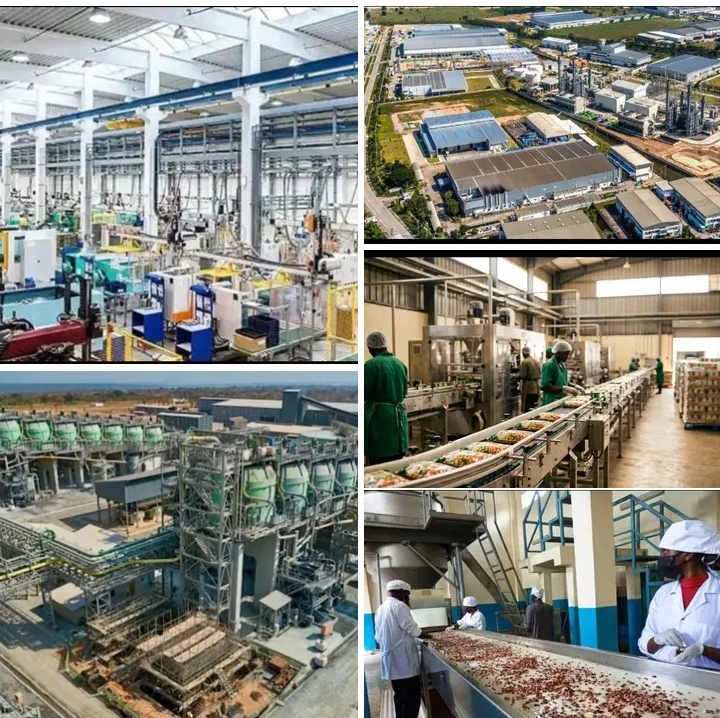
Industrialisation simply means moving from only selling raw things to producing finished or semi-finished goods. At family level, it is the difference between a family that only sells maize and a family that buys a hammer mill, makes mealie meal, packages it, sells it, employs workers and earns more money.
At national level, industrialisation means Zambia must not only export copper, maize, timber, cattle, gemstones and manganese in raw form. We must process them here. Copper must become cables, batteries and components. Maize must become mealie meal, stock feed and food products. Cotton must become cloth. Cattle must become leather products. This is how jobs are created, taxes grow, foreign exchange improves and families begin to feel the economy.
This is why the reckless borrowing under Kaponyanomics was a national tragedy. If the billions borrowed had been invested in factories, agro-processing, energy, industrial yards, rail, skills, machinery and value addition, Zambia would not have entered debt distress with a contracting economy. We would have created sustainable jobs and rebuilt the nation from our own productive capacity.
The UPND government has spent the past four years and ten months trying to repair the foundation: debt restructuring, restoring investor confidence, increasing CDF, free education, skills development, support to agriculture, mining recovery, private-sector reforms, manufacturing growth and economic hubs. Zambia’s manufacturing contribution has been reported around 9% of GDP, while the 2024 labour force was estimated at about 4.56 million people, meaning industrialisation is not an academic topic; it is a jobs question.
If we industrialise properly, the job potential is massive. Agriculture and agro-processing can create about 400,000 jobs. Mining value addition can create 250,000. Manufacturing can create 300,000. Construction materials can create 150,000. Transport and logistics can create 150,000. Energy, ICT, tourism and services can create hundreds of thousands more. With provincial economic hubs, Zambia can realistically target about 1.7 million new jobs over the next national development phase.
This is the difference between politics of danceable songs and economics of production. A country does not become rich by slogans. A country becomes rich when its people produce, process, package, transport, export and own the value chain.
Industrialisation is the road from poverty to dignity.
Saviour Chishimba
President
United Progressive People (UPP)
UPND Alliance Partner
SPECIAL NOTE: remember that in the earlier episode we defined Gross Domestic Product (GDP) as the total value of all the goods and services produced in Zambia in one year. So when the economic report indicates that the manufacturing sector contributes about 9% of GDP we can calculate this as follows:
– Take total GDP: US$26.33 billion
– 9% x US$26.33bn = US$2.37bn
– In Kwacha: US$2.37bn x K17.97 exchange rate = K42.5 billion worth of manufactured goods and services annually.
Now Imagine if Zambia increased manufacturing from 9% to 20% of GDP over the next 5 years. That would mean well over K90 billion worth of manufacturing activity every year, creating hundreds of thousands of sustainable jobs, increasing exports, reducing imports and strengthening the kwacha. That is the true meaning of industrialisation. This is what Bally means when you hear him speak economics.