
Zed Podcast Hosts Released, But Media Freedom Groups Warn Of ‘Chilling Effect’ under UPND
Zed Podcast Hosts Released, But Media Freedom Groups Warn Of ‘Chilling Effect’ under UPND
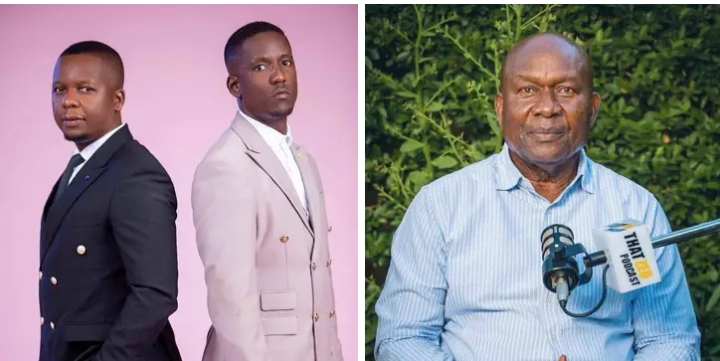
Two Zambian podcasters have been freed from police custody after four days of detention, but media freedom organisations say their arrest alongside a ban on a political campaign song – points to a troubling crackdown on dissent ahead of August’s elections.
Kalenga “K-Plus” Chambatu and Elson “Uncle Elsen” Chigerwe, hosts of the popular “That Zed Podcast,” were released on yesterday following the completion of police investigations. Zambia Police Service spokesperson Godfrey Chilabi confirmed their release but declined to disclose the offences under investigation or the specific findings that led to their freedom.
It is widely believed that the duo was detained over their recent interview with Xavier Chungu, the former Director-General of the Zambia Security Intelligence Service (ZSIS), who now leads the opposition Liberal Democrats Party.
Mr Chungu, 73, ran Zambia’s intelligence apparatus for over a decade under former President Frederick Chiluba. A Catholic from Mansa District, he was drafted into intelligence in 1973 and is credited with contributing to Zambia’s democratic transition and regional peace efforts. He has since been validly nominated as a presidential candidate for the 13 August 2026 general elections.
Mr Chungu was arrested on 28 May and charged under the State Security Act with allegedly disclosing confidential information, a non-bailable offence. His detention, and the subsequent arrest of the podcasters who interviewed him, has raised questions about whether the government is using state security laws to silence opponents.
As a former spy chief, Mr Chungu possesses deep insider knowledge of classified state operations. His unique threat to the ruling administration lies in combining political ambition with intimate familiarity with security secrets. Veteran politician Dr Katele Kalumba has warned that the case “strikes at the heart of Zambia’s democracy,” noting that a duly nominated candidate “does not lose the right to speak, grant interviews or engage the public simply because he once held public office.”
On the same day the podcast hosts were released, a coalition of media freedom bodies including the LCK Freedom Foundation, the Zambia Free Press Initiative, the Media Self-Regulation Council of Zambia, and the Media Owners Association of Zambia issued a joint statement expressing deep concern over what they described as the “continued detention” of the two journalists without charge.
While acknowledging that the hosts have since been freed, the organisations warned that the prolonged holding of citizens without formal charges “raises serious concerns regarding due process, the rule of law, and the protection of fundamental rights.” They noted that police had publicly updated Mr Chungu’s case but provided “little to no official communication” about the podcasters’ arrest.
“This sequence of events risks creating the perception that the regulator acted under external influence rather than through an independent assessment,” the statement said. The organisations urged the IBA to demonstrate its autonomy and avoid “selective application of regulations.”
At a time when Zambia is preparing for general elections, the groups warned that such actions undermine public trust and “create a chilling effect on media practitioners and content creators.”