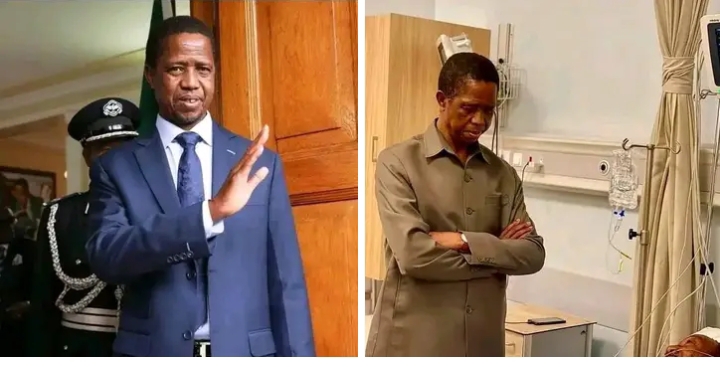
The Fall of Edgar Lungu and the Controversy Surrounding His Death and Burial
Edgar Chagwa Lungu’s political journey is one of the most dramatic in Zambia’s post-independence history. Rising from relative obscurity to become president in 2015, Lungu was initially seen as a humble, streetwise leader who understood the everyday struggles of ordinary Zambians. Yet over time, his rule became increasingly defined by accusations of authoritarianism, shrinking democratic space, economic decline, and a growing public debt that burdened the nation. By the time Zambians went to the polls in 2021, public frustration had reached a boiling point, setting the stage for one of the most decisive electoral defeats in the country’s history.
Lungu’s fall from power was swift and symbolic. He lost the presidency to Hakainde Hichilema by a landslide, an outcome widely interpreted as a referendum on governance, corruption allegations, and economic hardship. After leaving office, Lungu largely retreated from active politics, though tensions between him and the new administration remained palpable. His movements, public statements, and occasional confrontations with state authorities continued to attract attention, reinforcing the image of a former leader struggling to redefine his place in a system he once controlled.
The controversy deepened with news of Lungu’s death, which shocked the nation and reignited political emotions. Almost immediately, questions and speculation flooded social media and public discourse. Conflicting narratives emerged about his final days, the circumstances surrounding his illness, and the handling of official communication. In a region where mistrust between political actors and the public often runs deep, the absence of clear, unified messaging created fertile ground for rumours, conspiracy theories, and political point-scoring from both supporters and critics.
Even in death, Edgar Lungu remained a contested figure, as disagreements arose over his burial arrangements. Debates erupted around whether he deserved full state honours, where he should be laid to rest, and who should control the funeral proceedings. For his supporters, Lungu was a former head of state who deserved dignity and respect, regardless of political differences. For others, his legacy was too controversial to be celebrated without honest reflection on the challenges and setbacks of his presidency.
Ultimately, the saga surrounding Edgar Lungu’s death and burial reflects more than the story of one man. It mirrors Zambia’s ongoing struggle with political reconciliation, memory, and accountability. His life and afterlife have forced the nation to confront uncomfortable questions about leadership, power, and how history judges those who rule. Whether remembered as a misunderstood leader or a cautionary tale, Edgar Lungu’s story continues to shape Zambia’s political conversation, reminding the country that the consequences of power do not always end with office, or even with death.
The Fall of Edgar Lungu and the Controversy Surrounding His Death and Burial