
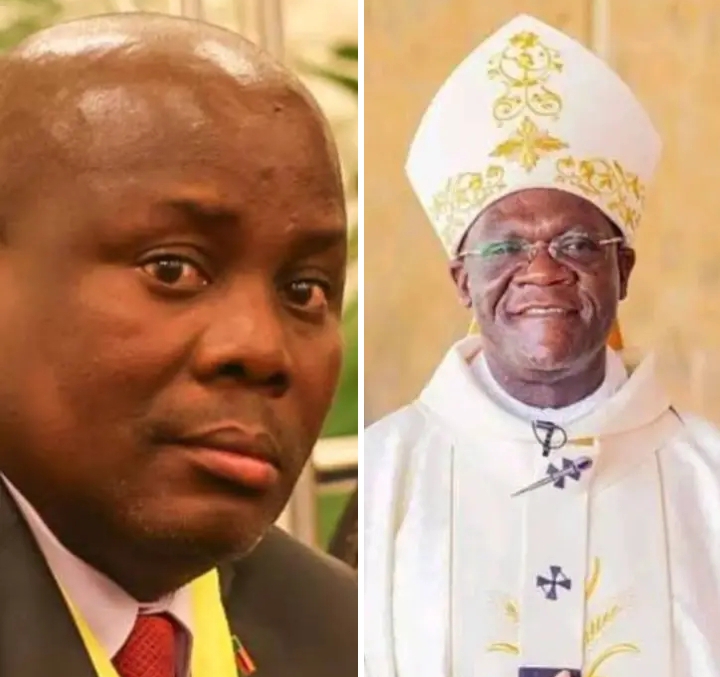
PROVE IT!
…presidency dismisses Catholic Bishops’ scathing pastoral letter as an unproven opposition echo chamber
By DAVID KANDUZA
STATE House has strongly rejected claims of growing political polarisation, ethnic manipulation and a narrowing democratic space in Zambia, challenging the Catholic clergy to substantiate their allegations with verifiable evidence.
The response follows a highly critical Pastoral Statement issued on September 30, 2026 by the Zambia Conference of Catholic Bishops (ZCCB), which raised alarm over the country’s governance trajectory, tribalism and alleged widespread fear.
In a Press release dated October 1, 2026, State House chief communications specialist Clayson Hamasaka stated that while the Presidency respects the pastoral responsibility of the Bishops, portions of their document closely resemble narratives pushed by political opposition parties.
“Claims of increasing ethnic manipulation, however, require specific evidence and a clear comparative basis,” Mr Hamasaka said.
“Without these, they risk deepening the mistrust the statement seeks to address.”
The executive branch cautioned the ZCCB against creating a false impression of a nation in turmoil, arguing that the Bishops’ statement failed to recognise the democratic mandate given to the Government by voters.
Addressing the Church’s allegations that citizens were e living in fear, Mr Hamasaka counter-argued that isolated incidents should not be used to define the State of the entire republic.
“References to widespread fear and narrowing democratic space similarly require substantiation,” Mr Hamasaka stated.
“Individual concerns deserve attention, but should not automatically become a description of the entire nation.”
He added that repeating such claims risks reinforcing an artificial sense of crisis.
“Lawful arrests should not be recast as abductions,” the statement clarified, rejecting any characterisation that Zambia is under pervasive military control.
The Government also raised eyebrows regarding the timing of the ZCCB’s intervention, noting its proximity to ongoing court proceedings involving a prominent member of the clergy.
While, Mr Hamasaka noted that timing alone did not prove intent, he warned that the dramatic language used by the Bishops could inadvertently pressure the judiciary.
“Portraying pervasive fear and institutional failure could inflame public sentiment and generate pressure around a matter requiring independent determination,” Mr Hamasaka concluded, urging public figures to avoid exploiting public anxieties for political conclusion