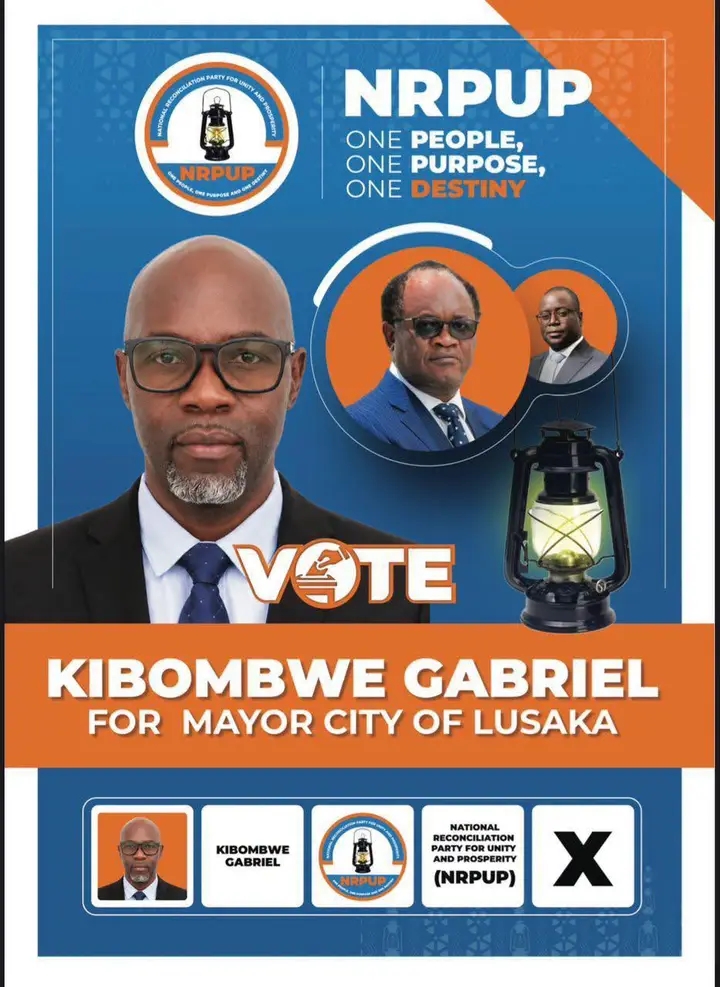
INCOMING LUSAKA MAYOR KIBOMBWE’S VISION OUTLINES NINE DISTINCT, PRACTICAL PRIORITIES DESIGNED TO TRANSITION LUSAKA INTO A RESILIENT, SMART AFRICAN CAPITAL CITY:
Decentralized Urban Planning: Alleviating central business district (CBD) congestion by establishing seven constituency-based mini-CBDs through strategic Public-Private Partnerships (PPPs). This shift will bring commercial offices, banking, and municipal services closer to where residents live, generating local employment.
Sustainable Waste Economics (Garbage Kiosks): Introducing neighborhood “Cash-for-Recyclable” kiosks managed by local youths. The self-sustaining model allows residents to earn income for sorted plastics, glass, and paper, which are sold in bulk to private manufacturing recycling firms.
Structured Street Trading & Market Re-organization: Bringing order to street vending without disrupting informal livelihoods by introducing designated, timed vending zones and piloted weekend street markets, while modernizing existing Council markets with essential amenities.
Integrated Primary Healthcare & Education: Conducting structural audits of constituency infrastructure and reinvesting digitized revenue directly into local clinics to guarantee steady medicine supplies and upgrade community school classrooms.
Public Transit Modernization: Collaborating with the Road Transport and Safety Agency (RTSA) and transport associations to institute dedicated bus lanes during peak hours and constructing decentralized, modern bus terminals outside the central business district.
Public Safety Infrastructure: Illuminating the city and improving road safety through a phased, community-by-community rollout of vandal-resistant solar streetlights in high-density areas and major outer-ring roads, alongside reflective road signage.
Restoring Community Dignity: Fully securing, fencing, and illuminating the Chingwere and Leopards Hill Cemeteries, backed by a newly established digital burial records registry and permanent maintenance teams.
Green Energy Transformation: Partnering with international green-energy investors via a Build-Operate-Transfer (BOT) model to install a modern waste-to-energy plant at the Chunga Dumpsite, converting urban waste into clean grid electricity and organic fertilizer.
Resource Climate Resilience: Implementing localized rainwater harvesting networks and subterranean retention storage tanks in chronic flood zones to capture seasonal rains, mitigate flash flooding, and pipe treated water back into urban agriculture and green spaces.
PILLARS EXPLAINED
1. Smart Urban Planning (Constituency-Based Mini-CBDs)
The Action: Decentralize Lusaka’s single central business district by creating 7 localized mini-CBDs in outer constituencies.
How it’s achieved: Partner with local commercial developers using Public-Private Partnerships (PPPs) to build zoned trading hubs, office spaces, and banking centers. This immediately reduces traffic congestion into the main city center and creates local jobs.
Why Kibombwe can do it: His background in strategic administration and project coordination means he understands how to align municipal zoning laws with private sector investment incentives.
2. Cash-for-Trash -Recyclable Waste Points (Garbage Kiosks)
The Action: Turn waste management into an economic opportunity by paying citizens for sorted recyclables.
How it’s achieved: Set up neighborhood-level kiosks managed by local youths. The Council will partner with private recycling firms (plastic, paper, glass) who buy the sorted waste in bulk from these kiosks. This creates a self-sustaining economy that funds the cash payouts and keeps the streets clean.
Why Kibombwe can do it: This requires strong operational workflows, financial transparency, and youth engagement—all core strengths from his experience in large-scale team management and digital coordination.
3. Re-Organize Markets & Pilot Vending (Days and Hours)
The Action: Bring order to street vending without destroying informal livelihoods.
How it’s achieved: Designate specific, well-marked streets and times (e.g., weekend evening markets) for street vendors, ensuring walking paths and shop entrances remain clear. Simultaneously, modernize existing Council markets with basic amenities to attract permanent traders.
Why Kibombwe can do it: It requires a balanced, diplomatic leader who can engage market committees, enforce fair regulations, and manage ground-level logistics smoothly.
4. Integrated Primary Healthcare & Education
The Action: Ensure every resident can access a functional clinic and school within their locality.
How it’s achieved: Audit existing constituency infrastructure to identify service gaps. By plugging revenue leakages through digital collection, the Council can allocate dedicated municipal funds to equip local clinics with steady medicine supplies and upgrade community school classrooms.
Why Kibombwe can do it: His insistence on strict accountability systems ensures that public funds actually reach the community level rather than getting lost in administrative red tape.
5. New Bus Stations & Dedicated Bus Lanes
The Action: Make public transport fast, organized, and dignified.
How it’s achieved: Build modern, decentralized bus terminals outside the main CBD. In partnership with the Road Transport and Safety Agency (RTSA), designate dedicated bus lanes on major transit corridors during peak hours, ensuring buses move faster than private cars.
Why Kibombwe can do it: His capacity for handling complex, multi-stakeholder logistics is exactly what is needed to coordinate between transport associations, law enforcement, and urban planners.
6. Solar Street Lights & Road Signage
The Action: Illuminate Lusaka’s streets to curb crime and improve road safety.
How it’s achieved: Roll out a phased, community-by-community installation of vandal-resistant solar streetlights, starting with high-density areas and major outer-ring roads. Update clear, reflective road signs across all constituencies.
Why Kibombwe can do it: A practical executive who prioritizes quick-win, high-impact infrastructure projects to quickly change the face of the city.
7. Dignify Leopards Hill & Chingwere Cemeteries
The Action: Restore respect and order to the final resting places of our loved ones.
How it’s achieved: Secure the perimeters with proper fencing, install solar lighting, map out clear pathways, and implement a digital burial records registry. Deploy dedicated Council security and maintenance teams to keep the grounds immaculate.
Why Kibombwe can do it: This reflects his respect for community dignity combined with a practical eye for maintenance, organizational layout, and administrative order.
8. Bio-Energy Production at Chunga Dumpsite
The Action: Convert Lusaka’s massive waste problem into clean energy.
How it’s achieved: Invite international green-energy investors to install a waste-to-energy plant at Chunga through a Build-Operate-Transfer (BOT) model. The organic waste will be processed to capture methane gas, generating electricity for the surrounding community and organic fertilizer for local farmers.
Why Kibombwe can do it: This requires an innovative leader who can comfortably negotiate high-value, technical, international partnership frameworks to solve local municipal issues.
9. Rainwater Harvesting & Reticulation
The Action: Prevent flash flooding during the rainy season and secure water for dry months.
How it’s achieved: Construct localized drainage collection ponds and subterranean storage tanks in flood-prone areas. This captured rainwater will be treated and piped (reticulated) to maintain city green spaces, support local urban agriculture, and recharge underground aquifers.
Why Kibombwe can do it: This combines structural planning with sustainable asset management—fitting perfectly with his logical, systems-driven approach to solving long-standing public challenges.
The Core Campaign Message:
“A vision is only as good as the systems behind it. Gabriel Isaac Kibombwe isn’t just promising a better Lusaka; he has the precise administrative capacity, structural discipline, and digital strategy needed to build it.”