
RUSSIA DEPLOYED A-50U TO HUNT UKRAINE’S NEW FP-5 “FLAMINGO” CRUISE MISSILES
RUSSIA DEPLOYED A-50U TO HUNT UKRAINE’S NEW FP-5 “FLAMINGO” CRUISE MISSILES
New analysis from OCHI AI indicates that Russia intercepted more than five Ukrainian FP-5 “Flamingo” cruise missiles during the overnight strikes on July 4, offering one of the first insights into how Moscow is adapting to Ukraine’s newest long-range weapon.
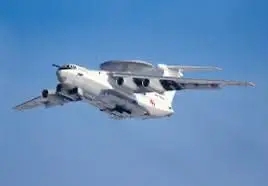
According to the review, Russia deployed an A-50U airborne early warning and control aircraft around 00:40, significantly improving its ability to detect low-flying missiles over rivers and uneven terrain—areas where ground-based radar coverage is less effective.
The analysis suggests the FP-5 missiles flew a complex route along the Volga River corridor, passing through Volgograd, Engels-Balakovo, Ulyanovsk, and Chuvashia. The final reported missile was reportedly intercepted near Votkinsk by a Russian ground-based air defense system.
The deployment of an A-50U is notable. These aircraft act as flying radar stations, extending Russia’s detection range far beyond what ground radar alone can provide. If Russia is committing one of its limited airborne early warning assets to counter the FP-5, it suggests the Kremlin views the missile as a credible and growing threat.
At the same time, the reported interceptions do not necessarily diminish the significance of the weapon. Every new long-range strike system goes through a cycle of adaptation and counter-adaptation. Ukraine refines its missiles and tactics, while Russia adjusts its air defenses in response. That technological contest has become one of the defining features of the war, with each side continually searching for ways to gain the upper hand.