
HICHILEMA’S 5 MILLION VOTES IS ONLY POSSIBLE IN HIS HEAD
By Given Mutinta
HICHILEMA’S 5 MILLION VOTES IS ONLY POSSIBLE IN HIS HEAD
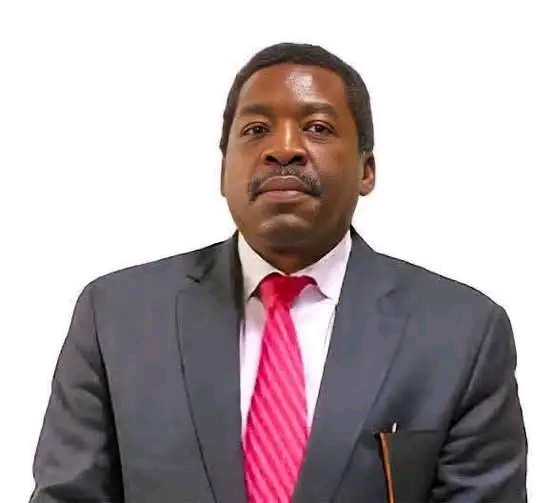
In a recent statement, Muhabi Lungu, chairperson of the National Reconciliation Party for Unity and Prosperity (NRPUP) presidential campaign committee for Lusaka Province, addressed the vastly publicized United Party for National Development’s (UPND) aim to secure five million votes in the forthcoming Zambian election.
Lungu contended that this target is mathematically unrealistic, statistically improbable under normal voting conditions, and risks misleading the electorate.
Drawing from official data provided by the Electoral Commission of Zambia (ECZ), Lungu highlighted that the total number of registered voters stands at approximately 8,786,300. Even if voter turnout hits a historic peak of 71%—a level not seen since Zambia reintroduced multi-party elections in 1991—the total ballots cast would amount to just over 6.2 million votes.
Taking into account the historical standard of about 2.5% of ballots being rejected or spoiled, the pool of valid votes shrinks further to roughly 6,064,318. To reach five million votes from this number, President Hakainde Hichilema would need to capture an unprecedented 82.45% share of the valid votes nationwide
Lungu stressed that such an overwhelming victory margin exceeds any known outcomes in Zambia’s recent electoral history, including Frederick Chiluba’s landmark 1991 triumph, which garnered approximately 74% of votes amid a dramatic political shift. The UPND would therefore require an extraordinary increase of about 25 percentage points from its 57% share in 2021’s elections despite considerable socio-economic challenges facing the electorate today.
According to Lungu, pronouncing a goal of five million votes prior to the election may represent either an overly optimistic political aspiration or a deliberate effort to shape perceptions ahead of a potential manipulated outcome. He urged the ECZ, alongside domestic and international election observers, to maintain rigorous oversight to safeguard the electoral process’s integrity.
Lungu concluded by emphasizing that Zambia’s voters remain alert and committed to defending the credibility of the ballot, underscoring the critical importance of free, fair, and transparent elections in upholding democracy.