
By Given Mutinta
MUNDUBILE SURVIVES GUNFIRE ON THE COPPERBELT
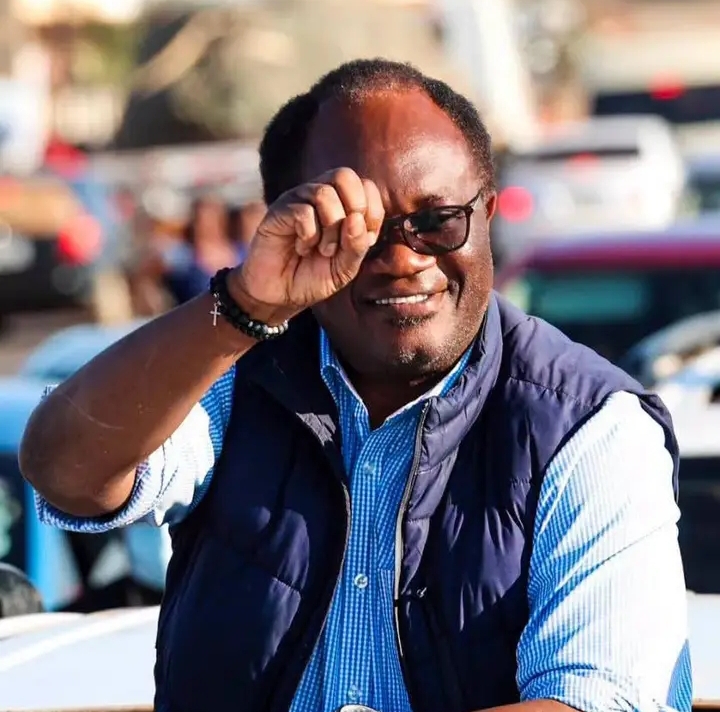
Honourable Brian Mundubile, the National Reconciliation Party for Unity and Prosperity (NRPUP) presidential candidate, had carefully planned his stay during the Copperbelt campaign stretch.
Initially, he booked an apartment block where he comfortably lodged and held quiet strategic meetings.
However, feeling the weight of unseen eyes and whispered threats, Mundubile relocated to a more secure hotel.
Yet, in a twist of fate, his party officials remained ensconced in that same apartment complex, a decision that would soon prove pivotal.
It was on a quiet Sunday afternoon when Mundubile’s official vehicle rolled in the apartment, carrying no one but his aides.
Fifteen minutes later, a brisk minibus screeched to an abrupt halt, deliberately blocking the exit point at the entrance to the apartment.
From its doors spilled a cadre of heavily armed gunmen and a gunwoman, their movements quick and chillingly purposeful.
Without hesitation, the assailants launched a brutal assault on the lone security guard posted at the gate.
Despite his armed resistance, he was overwhelmed, beaten with merciless force until he fell, incapacitated.
The gate shattered under the relentless fury of the intruders, giving them access to the once safe haven that now became a battleground of terror.
The gunmen surged into the yard and hurried up the stairs, driven by a deadly mission: to find Brian Mundubile and extinguish his threat to the political status quo.
The ambush was calculated—everyone believed Mundubile was inside that apartment, unaware that he had already moved to another hotel— safer location.
The attackers intended to assassinate him with ruthless precision, aiming to clear the path for President Hakainde Hichilema’s hold on power by removing his staunch opponent.
As the intruders burst into the apartments and began their violent siege, Mundubile’s party officials, sensing danger and confusion, immediately reached out to their allies within the police force and security company.
The law enforcement officers, familiar with the stakes, responded with alarming speed.
They drove straight to the scene, guns drawn and authority blazing, cutting through the chaos brought by the armed attackers.
The gunmen, unprepared for such rapid resistance, soon found themselves overwhelmed – tried to jump over the fence but were swiftly brought down.
The police quickly subdued the group, confiscating their weapons and the suspiciously large amounts of cash they carried.
The attackers’ bus was commandeered and taken to the police station, signaling a temporary victory for law and order but raising urgent questions about the orchestration behind this violent plot.
Despite the severity of the incident, the silence of the Inspector General of police and the provincial commissioner has been deafening.
Their reluctance to comment publicly has fueled fears of complicity within certain state forces — politically motivated violence sanctioned or permitted by elements within the security apparatus.
In this climate of fear and suspicion, the resilience of Mundubile’s supporters is a beacon of hope.
Yet the unanswered questions linger ominously: who masterminded this savage attack?
Will justice prevail, or will silence shield those behind the violence?
The gunfire that echoed through the apartment complex may have ceased, but the fierce battle for Zambia’s conscience and political soul endures—demanding vigilance, courage, and an unwavering commitment to justice.